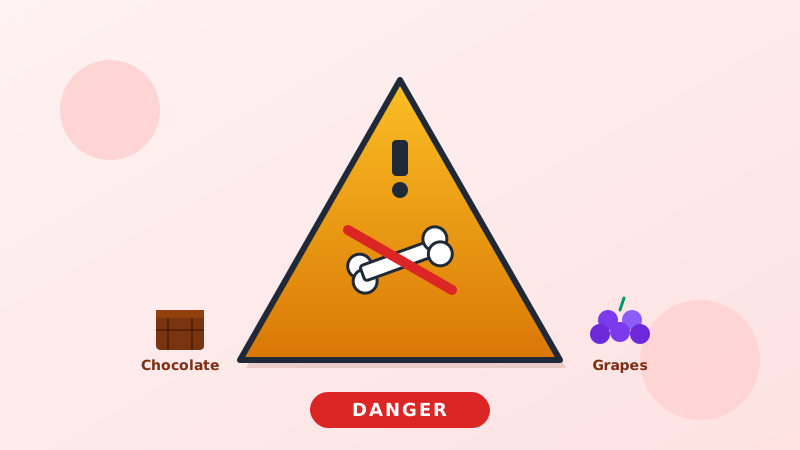
Urgent: Raisins, grapes, sultanas, and currants (the dried grape variety) can cause sudden acute kidney failure in dogs. Toxicity has been reported after ingestion of very small amounts. Treat any known or suspected ingestion as a veterinary emergency.
Raisins look innocent: a small, sweet, shelf-stable snack tucked into lunchboxes, baked goods, trail mix, and cereals worldwide. Yet for dogs they can be catastrophic. Raisins (and their fresh form, grapes) are classified as toxic to dogs, and the medical literature documents cases of acute kidney failure after ingestion of amounts so small that many owners never suspected a problem until symptoms appeared.
This guide explains what is currently understood about raisin toxicity in dogs, what symptoms to watch for, and exactly what to do in the first critical hours after ingestion, using guidance appropriate for any country. Reviewed by our veterinary editorial team.
Why Raisins Are Toxic to Dogs
For decades, veterinary scientists struggled to identify the exact compound in grapes and raisins responsible for canine nephrotoxicity. Theories ranged from mycotoxins to pesticide residue to heavy metals. More recent investigation points strongly at tartaric acid and its potassium salt (potassium bitartrate, also known as cream of tartar) as the likely culprit, based on the strong clinical similarity between grape ingestion cases and cream-of-tartar ingestion cases documented in dogs.
What is certain is that dogs vary enormously in their individual sensitivity. Some dogs ingest a significant quantity with no apparent effect; others develop life-threatening renal injury after only a few raisins. Because no safe dose has been established, all veterinary authorities advise treating any raisin ingestion as potentially toxic, regardless of the dog's size or the quantity consumed.
What Is Actually in a Raisin
Raisins are simply dried grapes. The drying process concentrates sugars, acids, and minerals. That concentration is part of why raisins appear especially dangerous on a per-gram basis compared to fresh grapes.
| Component | Approximate Content (per 100g) | Relevance to Toxicity |
|---|---|---|
| Sugars (fructose, glucose) | ~59 g | High caloric density; not the toxic factor |
| Tartaric acid | Present, concentrated vs. fresh grape | Suspected nephrotoxic compound |
| Potassium | ~749 mg | Interacts with renal function |
| Fiber | ~3.7 g | Not relevant to toxicity |
| Calories | ~299 | Concentrated vs. fresh grapes |
There is no vitamin, mineral, or fiber benefit in raisins that cannot be delivered far more safely by dog-appropriate fruits such as blueberries, sliced apples (without seeds), or banana.
Risks: Acute Kidney Failure
The hallmark danger of raisin (and grape) ingestion is acute kidney injury (AKI), sometimes progressing within 24 to 72 hours to irreversible renal failure. Dogs that go untreated can develop anuria (no urine production), uremic poisoning, and multi-organ decompensation. Early-stage toxicity can often be managed successfully with aggressive IV fluid therapy, decontamination, and renal-support medications. Late-stage toxicity has a far worse prognosis.
Because any individual dog could be the one with high sensitivity, no "wait and see" approach is appropriate. The cost of acting early (a veterinary visit and, if timely, induced vomiting plus activated charcoal and IV fluids) is trivial compared to the cost of delayed treatment.
Common Hidden Sources of Raisins
Raisins hide in more foods than owners realize. Be alert to:
- Baked goods: Oatmeal raisin cookies, cinnamon raisin bread, raisin bran muffins, fruitcakes, scones, panettone.
- Breakfast cereals: Granola, muesli, raisin bran.
- Trail mix and energy bars: Nearly universal ingredient.
- Chocolate-covered raisins: Compound hazard - chocolate is also toxic to dogs.
- Savory dishes: Moroccan tagines, some curries, stuffing, couscous salads.
- Holiday baking: Hot cross buns, mince pies, stollen, Christmas pudding.
- Wine grapes and wine-making residue: Grape pomace is toxic too.
Signs of Raisin Toxicity
Symptoms typically appear within 6 to 12 hours of ingestion but can develop over 24 to 72 hours. Early signs are easy to miss, which is why ingestion should always be reported to a veterinarian before waiting for symptoms.
- Vomiting (often the first sign, within hours of ingestion)
- Diarrhea
- Lethargy and weakness
- Loss of appetite
- Abdominal pain (hunched posture, reluctance to be handled)
- Increased thirst (polydipsia)
- Excessive urination, followed by decreased urination
- Ammonia-like odor to breath
- Tremors or seizures in advanced cases
- Collapse
Emergency Steps If Your Dog Ate Raisins
If you suspect toxicity, act immediately:
- Remove any remaining food from your dog's reach.
- Note the approximate amount consumed and the time of ingestion.
- Check for early symptoms (vomiting, lethargy, tremors, disorientation, labored breathing).
- Contact your local veterinarian or pet poison control center in your country without delay. Many regions have 24/7 emergency animal poison hotlines.
- Do not induce vomiting unless a veterinary professional instructs you to do so.
- If directed, bring the packaging, a sample of the food, or a photo of what was eaten to the clinic.
- Stay calm; your dog will respond better when you remain composed.
Early veterinary intervention dramatically improves outcomes in poisoning cases. When in doubt, call sooner rather than later.
When you call, tell the clinic: the approximate number of raisins or grapes consumed, the time of ingestion, your dog's body weight, and any symptoms observed. If ingestion was within the last two hours, the veterinary team will often induce vomiting and administer activated charcoal, followed by 48 to 72 hours of IV fluid therapy and close monitoring of kidney values (BUN, creatinine, SDMA, phosphorus, urine output).
Prognosis and Recovery
Dogs treated within the first few hours with decontamination and aggressive IV fluids generally have an excellent prognosis. Dogs that are already symptomatic when they present to the clinic face a more guarded outlook, and dogs that progress to oliguric or anuric renal failure have a poor prognosis even with dialysis.
After recovery, kidney values should be rechecked periodically for several weeks. Any dog that has recovered from raisin toxicity should be kept strictly away from all grape products, as sensitivity is believed to remain for life.
Frequently Asked Questions
How many raisins does it take to poison a dog?
There is no established safe dose. Toxic reactions have been documented after the ingestion of only a small handful of raisins, and occasionally after fewer than that in highly sensitive individuals. Assume any amount is potentially dangerous and contact a veterinarian.
My dog ate a single raisin that fell on the floor. Should I still call?
Yes. Call your veterinarian or a pet poison control service in your country for guidance. They will weigh your dog's size, the number of raisins, the time since ingestion, and any pre-existing kidney conditions. Most cases of a single raisin in a large dog are handled conservatively, but a professional should make that call, not the internet.
Are organic or homemade raisins safer?
No. The toxic effect does not appear to depend on pesticides, preservatives, or farming method. Organic, homemade, sulfur-free, and conventional raisins all carry the same risk.
What about grape juice or wine?
Liquid grape products (juice, wine, must, grape pomace) are considered to carry the same kind of risk. Wine adds the danger of alcohol, which is separately toxic to dogs. Keep all grape-derived liquids away from dogs.
Will my dog always be sensitive after one incident?
Veterinary consensus is to treat any dog that has reacted to grapes or raisins as sensitized for life. Strict avoidance is the safest long-term policy.
Raisins are a household staple for humans and a genuine emergency trigger for dogs. Treat them like any other dangerous medication you store at home: out of reach, clearly separated, and always top of mind when baked goods, trail mix, or holiday treats enter the house. Early veterinary care saves lives.
Disclaimer: Always consult your veterinarian before making changes to your pet's diet.