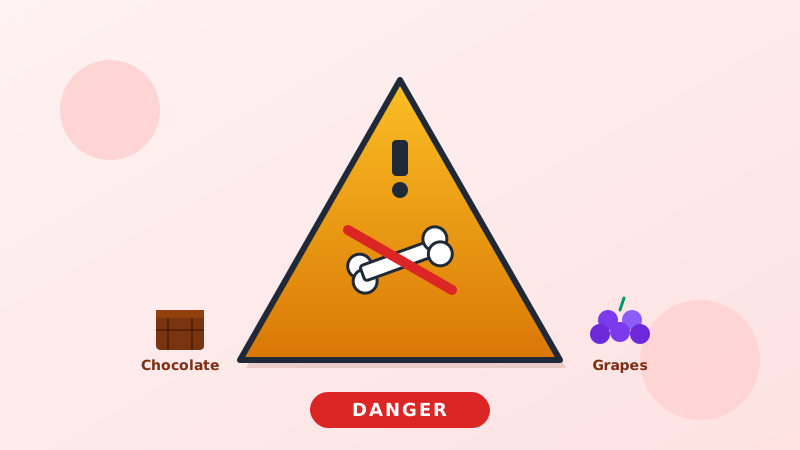
Important: Macadamia nuts are one of the only nuts with a documented, species-specific toxic reaction in dogs. Even a handful can trigger noticeable weakness, tremors, and fever. All macadamia-containing products should be kept out of paw range.
Macadamia nuts are a beloved Hawaiian and Australian delicacy, celebrated for their buttery flavor and high healthy-fat content. For humans they are a premium snack. For dogs they are something very different: a small but specific nut family that can cause an unusual neurologic and muscular reaction documented in the veterinary literature for decades. Macadamia nuts are toxic to dogs, and no safe dose has been established.
This guide explains the clinical picture of macadamia toxicity, why the reaction is still not fully understood at a biochemical level, and exactly what to do if your dog has eaten macadamia nuts or any macadamia-containing food. Reviewed by our veterinary editorial team.
Why Macadamia Nuts Are Dangerous for Dogs
Unlike almonds, cashews, or peanuts (which are primarily a fat, choking, or pancreatitis concern), macadamia nuts produce a consistent, reproducible, and surprisingly specific toxic syndrome in dogs. The classic presentation includes hind-limb weakness, muscle tremors, vomiting, and hyperthermia, typically developing within 6 to 12 hours of ingestion. Dogs affected by macadamia toxicity often cannot stand on their back legs, or they stand and collapse repeatedly. They may run a fever of 39.5 to 40.5 C (103 to 105 F) and show visible muscle trembling.
What makes this especially striking is that the mechanism is still not fully characterized. Veterinary toxicologists have not yet isolated a single compound responsible, and the syndrome appears to be unique to canines (cats and humans appear unaffected). What we do know is that even relatively small doses (roughly 0.7 grams per kilogram of body weight, sometimes less) are sufficient to produce clinical signs.
Nutritional Content
| Component | Amount per 28g (approx. 10-12 nuts) | Relevance for Dogs |
|---|---|---|
| Fat | ~21 g | High - pancreatitis risk |
| Calories | ~204 | Very calorie dense |
| Protein | ~2 g | Low |
| Fiber | ~2 g | Minor |
| Suspected toxin | Unidentified | Unique to dogs |
Even if macadamia nuts were not specifically toxic, their fat content alone would put them on the "rare treat" or "do not feed" list for dogs at risk of pancreatitis.
Risks and the Unknown Mechanism
The Core Clinical Syndrome
The classic macadamia toxicity picture includes four findings that appear together often enough to be considered a recognizable syndrome: hind-limb weakness, tremors, vomiting, and fever. Many dogs also show lethargy, ataxia (wobbly gait), increased heart rate, and abdominal discomfort. Unlike some toxins, macadamia toxicity is usually self-limiting within 24 to 48 hours with supportive care, and fatalities are rare. That said, dogs with underlying conditions, puppies, and very small breeds can become significantly dehydrated and may require hospitalization.
Compound Risk When Combined With Chocolate
One of the most common real-world exposures is macadamia chocolate cookies or chocolate-covered macadamia nuts. This is a compound emergency: chocolate is independently toxic to dogs (theobromine and caffeine), and the combination can be significantly more dangerous than macadamia exposure alone. Treat any chocolate-plus-macadamia ingestion as a high-priority veterinary call.
Secondary Pancreatitis Risk
The fat content in macadamia nuts can trigger acute pancreatitis in susceptible dogs, even when the macadamia toxic syndrome is mild. Watch for repeated vomiting, abdominal pain, and loss of appetite persisting beyond the initial 24- to 48-hour window.
Hidden Sources of Macadamia Nuts
- White chocolate macadamia cookies (a common holiday giveaway)
- Trail mix with macadamias
- Macadamia-nut brittle and toffee
- Macadamia nut butter
- Chocolate-covered macadamias (compound hazard)
- Pesto variations made with macadamias instead of pine nuts
- Granola and muesli blends labeled "premium" or "tropical"
- Hawaiian-style or Australian-style baked goods
Signs of Macadamia Nut Toxicity
- Weakness, especially in the hind legs
- Tremors or trembling
- Vomiting
- Hyperthermia (fever above 39.5 C / 103 F)
- Lethargy
- Ataxia or stumbling gait
- Joint stiffness or reluctance to walk
- Pale gums (rare)
- Rapid heart rate
- Increased panting
Emergency Steps If Your Dog Ate Macadamia Nuts
If you suspect toxicity, act immediately:
- Remove any remaining food from your dog's reach.
- Note the approximate amount consumed and the time of ingestion.
- Check for early symptoms (vomiting, lethargy, tremors, disorientation, labored breathing).
- Contact your local veterinarian or pet poison control center in your country without delay. Many regions have 24/7 emergency animal poison hotlines.
- Do not induce vomiting unless a veterinary professional instructs you to do so.
- If directed, bring the packaging, a sample of the food, or a photo of what was eaten to the clinic.
- Stay calm; your dog will respond better when you remain composed.
Early veterinary intervention dramatically improves outcomes in poisoning cases. When in doubt, call sooner rather than later.
For macadamia-specific ingestion, veterinary protocols typically include induced vomiting if the ingestion is recent (within 2 hours), activated charcoal to bind remaining toxin, IV fluids for hydration, anti-emetic medication if vomiting is severe, cooling measures if the dog is hyperthermic, and close monitoring for 24 hours. Most dogs recover fully with appropriate supportive care.
Safer Treat Alternatives
- Plain unsalted peanuts (no xylitol peanut butter!): A limited, carefully portioned alternative for most dogs.
- Commercial dog training treats: Formulated for dogs, no surprise toxins.
- Frozen blueberries: Small, crunchy, antioxidant-rich, and naturally safe.
- Carrot sticks: Low-calorie, good for teeth, widely available.
- Plain cooked pumpkin (unsweetened): Gentle on digestion and a good source of fiber.
Frequently Asked Questions
How many macadamia nuts does it take to poison a dog?
Clinical signs have been reported at doses around 0.7 grams per kilogram of body weight, which translates to roughly 2 to 6 nuts for a medium-sized dog - potentially fewer for small breeds. Because individual sensitivity varies, any quantity should be treated as a potential exposure.
Are other nuts equally dangerous?
Macadamia toxicity appears to be unique among commonly eaten nuts. Walnuts and pecans can pose mold and mycotoxin risk, almonds and pistachios are choking and pancreatitis risks, and any salted or flavored nut brings sodium concerns. But the specific hind-limb-weakness-plus-tremor syndrome is characteristic of macadamias.
My dog ate one macadamia cookie. How worried should I be?
A single macadamia cookie in a medium to large dog is often non-critical, but the situation is different in small dogs and dogs that ate chocolate-macadamia varieties. Call your veterinarian; the advice will depend on body weight, number of nuts, and whether chocolate was also present.
Can macadamia toxicity be fatal?
Fatalities are rare. With timely veterinary care, the vast majority of dogs recover fully within 24 to 48 hours. However, combined exposures (especially with chocolate) or delayed treatment in small dogs can raise the stakes significantly.
Are roasted macadamias safer than raw?
No. Roasting does not eliminate the toxic effect, and salted or honey-roasted varieties add additional concerns (sodium, sugar, potential xylitol in some flavored versions).
Macadamia nuts occupy an unusual place in canine toxicology: specific, reproducible, and still not fully explained. The practical takeaway is simple: treat them like any other toxic food in your home, keep all macadamia-containing products out of reach, and do not hesitate to contact a veterinarian if ingestion is suspected. Early care turns a scary incident into a routine recovery.
Disclaimer: Always consult your veterinarian before making changes to your pet's diet.