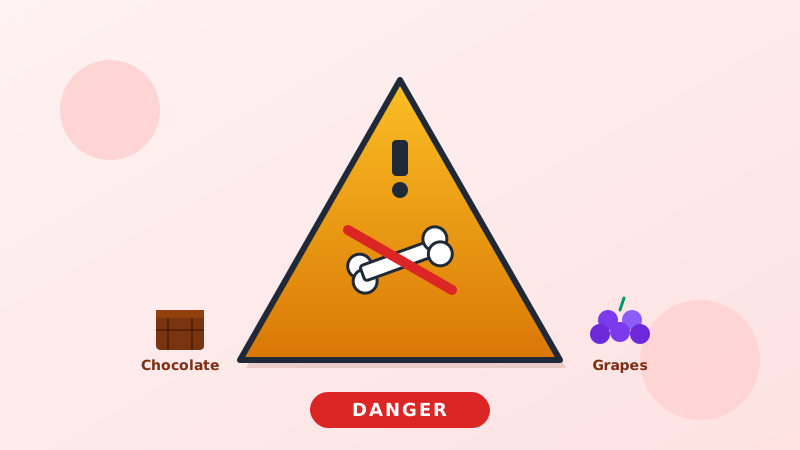
Important: Chili peppers and all spicy pepper varieties (jalapeno, serrano, habanero, cayenne, ghost, dried chili flakes, and chili powder) should never be intentionally fed to dogs. The capsaicin they contain is a digestive tract irritant that causes painful symptoms.
Chili peppers bring heat, flavor, and tradition to countless cuisines around the world, but they have no place in a dog's diet. Chili peppers are not safe for dogs. The compound responsible for the characteristic burn is capsaicin, a plant-defense chemical that binds to pain receptors in the mouth, esophagus, stomach, and intestines. While humans can train themselves to enjoy capsaicin, dogs experience it purely as distress.
This guide explains why chili peppers are dangerous for dogs, what symptoms to expect after accidental exposure, what to do if your dog eats a spicy pepper, and which safer vegetables you can share instead. The goal is clear, practical information you can act on immediately, no matter where in the world you live.
Why Chili Peppers Are Dangerous for Dogs
Capsaicin is the active compound concentrated in the white membrane and seeds of hot peppers. In humans it triggers the familiar burning sensation without causing actual tissue damage at moderate doses. In dogs, the same compound tends to provoke intense gastrointestinal irritation because a dog's digestive system is not adapted to spicy plant chemistry. The stomach and intestinal lining react by increasing mucus production, accelerating motility, and sometimes cramping, which translates into vomiting, diarrhea, and abdominal pain.
Beyond the digestive tract, capsaicin exposure can cause excessive salivation, pawing at the mouth, panting, restlessness, and refusal to drink water (even though water will not wash capsaicin away, since the compound is fat soluble, not water soluble). In smaller dogs or dogs with preexisting sensitive stomachs, even a modest exposure can trigger a clinic-worthy episode of vomiting and dehydration.
What About Bell Peppers?
Sweet bell peppers (green, red, yellow, orange) are a different category entirely. They contain almost no capsaicin and, when served plain, seedless, and in small portions, are considered safe and even nutritious for most dogs. Do not confuse bell peppers with chili peppers. This article is specifically about the hot, capsaicin-rich varieties.
Nutritional Content
Chili peppers do contain vitamin C and some antioxidants, but those nutrients are already amply supplied by commercial dog food and by safer fresh produce such as blueberries, carrots, and bell peppers. The table below reflects approximate values for a typical raw jalapeno pepper.
| Nutrient | Amount (per 14g jalapeno) | Relevance for Dogs |
|---|---|---|
| Capsaicin | Variable (2,500 to 8,000 SHU) | Irritant - the problem compound |
| Vitamin C | ~17 mg | Already synthesized by healthy dogs |
| Vitamin A | ~145 IU | Minor; safer sources exist |
| Fiber | ~0.4 g | Negligible at safe portion size (which is zero) |
| Calories | ~4 | Not relevant given toxicity concerns |
In other words: there is no nutritional argument for feeding chili peppers to a dog. Whatever micronutrients they contain are outweighed by the guaranteed digestive discomfort.
Risks and Digestive Distress
Acute Gastrointestinal Irritation
The most common outcome after a dog eats a chili pepper is acute gastritis: vomiting, retching, abdominal cramping, and diarrhea that may be loose, watery, or mucus-streaked. These symptoms typically begin within 30 minutes to 2 hours of ingestion and can persist for 12 to 48 hours depending on how much pepper was consumed and the individual dog's sensitivity.
Dehydration Risk
Persistent vomiting and diarrhea can dehydrate a dog quickly, especially puppies, small breeds, and senior animals. Watch for sunken eyes, tacky gums, loss of skin elasticity, and lethargy. Dehydration is the most common reason a chili-pepper incident escalates into a veterinary visit.
Secondary Risks from Mixed Ingredients
Chili peppers rarely show up alone in human food. They are usually combined with onions and garlic, both of which are genuinely toxic to dogs and can damage red blood cells. A dog that eats chili-laced leftovers is often exposed to multiple problem ingredients at once. Always assume spicy human food carries compounded risk.
How Accidental Exposure Happens
- Dropped food during cooking. A chopped jalapeno falls off the cutting board; a curious dog inhales it before you notice.
- Table scraps. Spicy chili, curry, salsa, or buffalo wings shared with good intentions.
- Compost and trash bins. Discarded pepper scraps are a common after-dinner temptation.
- Garden foraging. Ornamental hot-pepper plants (cayenne, Thai chili, and ornamental capsicum) are sometimes harvested by bored dogs.
- Homemade chili powder or oil. Concentrated pepper products left within reach.
Signs of Upset or Intolerance
- Excessive drooling or frothing at the mouth
- Pawing at the face or rubbing the muzzle on the floor
- Whining, restlessness, or pacing
- Vomiting (often repeated)
- Diarrhea, sometimes with mucus
- Loss of appetite lasting 12 to 24 hours
- Lethargy or unwillingness to engage
- Increased thirst followed by refusal to drink due to oral discomfort
Emergency Steps If Your Dog Eats Chili Peppers
If you suspect toxicity, act immediately:
- Remove any remaining food from your dog's reach.
- Note the approximate amount consumed and the time of ingestion.
- Check for early symptoms (vomiting, lethargy, tremors, disorientation, labored breathing).
- Contact your local veterinarian or pet poison control center in your country without delay. Many regions have 24/7 emergency animal poison hotlines.
- Do not induce vomiting unless a veterinary professional instructs you to do so.
- If directed, bring the packaging, a sample of the food, or a photo of what was eaten to the clinic.
- Stay calm; your dog will respond better when you remain composed.
Early veterinary intervention dramatically improves outcomes in poisoning cases. When in doubt, call sooner rather than later.
Our veterinary editorial team recommends that dairy (a small spoonful of plain whole-milk yogurt or a tablespoon of whole milk, if your dog tolerates dairy) may help bind capsaicin, since capsaicin is fat soluble. Only offer dairy if you have confirmed your dog does not have a dairy sensitivity, and always confirm the approach with your veterinarian first.
Safer Alternatives
If your dog seems to love crunchy, flavorful snacks, try these dog-safe alternatives instead of anything spicy.
- Bell pepper strips (seedless, plain): Sweet, crunchy, loaded with vitamins A and C, and completely free of capsaicin.
- Carrot sticks: A long-time favorite that supports dental health and is virtually free of fat.
- Cucumber slices: Refreshing, hydrating, and very low in calories.
- Green beans (plain, unsalted): Steamed or raw, a high-fiber, satisfying chew.
- Blueberries: A small, antioxidant-rich training treat most dogs love.
Frequently Asked Questions
Are bell peppers the same as chili peppers for dogs?
No. Bell peppers (sweet peppers) contain virtually no capsaicin and are generally considered safe in small, plain, seedless portions. Chili peppers (jalapeno, serrano, habanero, cayenne, and similar hot varieties) contain significant capsaicin and should be avoided.
My dog licked a dropped chili pepper. Is that an emergency?
A single lick is unlikely to cause a medical emergency, but your dog will probably show discomfort: drooling, pacing, pawing at the mouth, or whining. Offer fresh water and a small bland meal (plain cooked rice with plain chicken) and monitor for vomiting or diarrhea over the next 12 to 24 hours. Contact your veterinarian if symptoms escalate.
Why does capsaicin affect dogs more than humans?
Dogs have many of the same TRPV1 receptors we do, but they have no cultural tolerance for spicy food and their digestive tract reacts strongly to the irritant. The same compound that humans enjoy as heat is simply painful and inflammatory to a canine gut.
Can chili powder on leftovers hurt my dog?
Yes. Dried chili powder is highly concentrated and often combined with garlic and onion powder, both of which are toxic to dogs. Leftover human food seasoned with chili powder should never be shared with a dog.
Are dried chili flakes worse than fresh?
Ounce for ounce, dried chili products (flakes, powder, cayenne) are far more concentrated in capsaicin than fresh peppers. A small spill of dried chili flakes can deliver a much larger dose than a bite of a fresh jalapeno.
Chili peppers offer no meaningful nutritional advantage for dogs and carry a near-guaranteed risk of digestive discomfort. Keep hot peppers and any dish containing them well out of paw range, stick to dog-safe vegetables for plant-based snacks, and know your local veterinary contact before you ever need it. Reviewed by our veterinary editorial team.
Disclaimer: Always consult your veterinarian before making changes to your pet's diet.