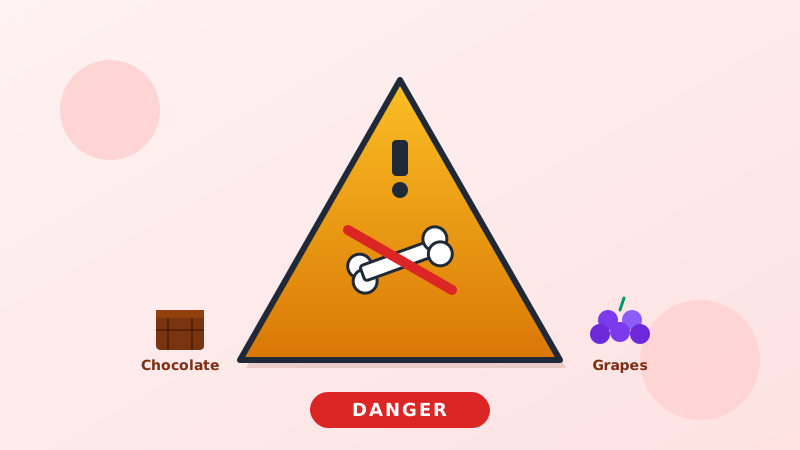
No, dogs must never eat grapes or raisins. Grapes and raisins are among the most dangerous foods for dogs, capable of causing acute kidney failure that can be fatal. What makes grape toxicity particularly alarming is its unpredictability. There is no safe amount. Even a single grape has caused kidney failure in some dogs, while other dogs may eat several without apparent immediate harm. Because there is no way to predict which dogs will have a severe reaction, all grapes and grape products should be considered extremely dangerous for every dog.
This applies to all types of grapes, including red, green, seedless, seeded, commercially grown, and organic varieties. Raisins, currants, and sultanas are equally dangerous, and because they are dried and more concentrated, they may actually be more toxic by weight than fresh grapes.
Why Are Grapes Toxic to Dogs?
For many years, the exact toxic substance in grapes remained a mystery to veterinary scientists. Research has now identified tartaric acid as the likely culprit. Tartaric acid is found naturally in grapes, and its concentration varies depending on the grape variety, ripeness, and growing conditions. This variability in tartaric acid content may explain why some dogs react more severely than others, and why the toxic dose appears to be inconsistent.
Tartaric acid, when metabolized by dogs, appears to cause damage to the renal tubules in the kidneys. This damage can progress rapidly to acute kidney failure if not treated promptly. The kidneys lose their ability to filter waste products from the blood, leading to a dangerous buildup of toxins in the body.
It is important to note that research into grape toxicity is ongoing. While tartaric acid is the leading theory, some veterinary researchers believe there may be additional toxic compounds involved. Regardless of the exact mechanism, the clinical evidence is clear: grapes are extremely dangerous for dogs.
How Much Grape Is Dangerous?
This is one of the most frightening aspects of grape toxicity: there is no established safe dose. Some dogs have developed kidney failure after eating just one or two grapes, while others have consumed larger quantities without obvious immediate effects. However, the absence of immediate symptoms does not mean the dog has escaped harm, as kidney damage can be subtle and cumulative.
Documented cases suggest the following general ranges for grape-related toxicity, though individual sensitivity varies enormously:
| Form | Potentially Toxic Amount | Notes |
|---|---|---|
| Fresh grapes | As few as 1-2 grapes for small dogs | Any amount should be considered dangerous |
| Raisins | As few as 0.05 oz per pound of body weight | More concentrated than fresh grapes |
| Grape juice | Unknown, treat as dangerous | Contains the same toxic compounds |
| Currants | Similar to raisins | Equally toxic, often overlooked |
The key takeaway is this: if your dog has eaten even a single grape or raisin, you should contact your veterinarian immediately. Do not wait to see if symptoms develop.
Symptoms of Grape Poisoning in Dogs
Symptoms of grape toxicity typically develop within 6 to 24 hours of ingestion. The progression of symptoms generally follows a recognizable pattern:
Early Symptoms (Within 6-12 Hours)
- Vomiting (often the first sign, may contain pieces of grape)
- Diarrhea
- Loss of appetite
- Lethargy and weakness
- Abdominal pain and tenderness
- Dehydration
Progressive Symptoms (12-24 Hours)
- Decreased or absent urine production (oliguria or anuria)
- Increased thirst followed by inability to produce urine
- Nausea and continued vomiting
- Bad breath with an ammonia-like odor (uremic breath)
- Oral ulcers
Severe Symptoms (Kidney Failure)
- Complete cessation of urine production
- Severe dehydration
- Tremors or seizures
- Coma
- Death
The most critical indicator is urine output. Once a dog stops producing urine, the kidneys have suffered severe damage, and the prognosis becomes much more guarded. This is why early treatment is absolutely essential.
What to Do If Your Dog Eats Grapes
If your dog has consumed any amount of grapes, raisins, currants, or grape-containing products, take the following steps:
- Do not wait for symptoms to appear. Early intervention dramatically improves outcomes.
- Contact your local veterinarian or your country's pet poison control center immediately.
- If instructed by your vet, induce vomiting. If ingestion occurred within the last 1 to 2 hours and your dog is not showing neurological symptoms, your veterinarian may instruct you to induce vomiting using 3% hydrogen peroxide. Never induce vomiting without veterinary guidance.
- Try to determine how many grapes your dog consumed. This information helps your vet assess the severity of the situation.
- Get to a veterinary clinic as quickly as possible. Even if you have induced vomiting at home, your dog should still be evaluated by a veterinarian.
Veterinary Treatment for Grape Toxicity
Veterinary treatment for grape poisoning focuses on preventing absorption of the toxin and supporting kidney function. The specific treatment protocol depends on how quickly the dog is brought in and whether symptoms have already developed.
Immediate Decontamination
If the dog is presented within 1 to 2 hours of ingestion, the veterinarian will typically induce vomiting to remove as much grape material as possible from the stomach. Following this, activated charcoal may be administered to bind any remaining toxins in the gastrointestinal tract and prevent further absorption.
Aggressive Fluid Therapy
Intravenous (IV) fluid therapy is the cornerstone of treatment. Aggressive fluid administration helps maintain kidney perfusion and promotes urine production, which is essential for flushing toxins from the body. Fluid therapy is typically continued for 48 to 72 hours, with close monitoring of urine output and kidney function throughout.
Blood Work Monitoring
Veterinarians will perform blood tests to monitor kidney function markers, including blood urea nitrogen (BUN) and creatinine levels. These values help determine the extent of kidney damage and guide treatment decisions. Blood work is typically repeated every 12 to 24 hours during the acute phase.
Supportive Care
Additional treatments may include anti-nausea medications to control vomiting, medications to protect the gastrointestinal lining, and electrolyte monitoring and correction. In severe cases where the kidneys have failed, dialysis may be considered, though this is only available at specialized veterinary facilities and is expensive.
Prognosis and Recovery
The prognosis for grape toxicity depends heavily on how quickly treatment is started. Dogs that receive treatment before kidney damage occurs generally have an excellent prognosis and make a full recovery. However, dogs that develop acute kidney failure have a much more guarded prognosis. If the kidneys stop producing urine entirely (anuric renal failure), the prognosis is poor, and many of these dogs do not survive despite aggressive treatment.
Dogs that survive grape-induced kidney injury may have permanent kidney damage that requires ongoing monitoring and management for the rest of their lives. This can include prescription kidney diets, regular blood work, and increased fluid intake.
Hidden Sources of Grapes
Be aware that grapes and raisins can be found in many foods and products that you might not immediately associate with them:
- Trail mix and granola often contain raisins
- Baked goods such as raisin bread, oatmeal raisin cookies, and fruit cakes
- Grape juice and wine (wine also contains alcohol, another toxin for dogs)
- Grape jelly and jam
- Fruit salads that include grapes
- Certain cereals that contain raisins or grape flavoring
- Snack boxes and lunch kits marketed to children
Always check ingredient lists carefully and keep all grape-containing products well out of your dog's reach. Educate all family members, including children, about the danger grapes pose to dogs.
Frequently Asked Questions
My dog ate one grape. Should I be worried?
Yes, you should be concerned and contact your veterinarian immediately. There is no established safe dose for grapes, and some dogs have developed kidney failure from a single grape. Early intervention is always the safest course of action.
Are all grape varieties equally dangerous?
Yes, all varieties of grapes are considered dangerous, including red, green, seedless, seeded, organic, and conventionally grown. Raisins, currants, and sultanas are also toxic and may be more concentrated.
Can dogs eat grape-flavored products?
Artificial grape flavoring does not contain the toxic compounds found in real grapes and is generally not dangerous. However, grape-flavored products may contain other ingredients that are not safe for dogs, such as xylitol, sugar, or artificial sweeteners. It is best to avoid giving grape-flavored products to your dog.
Why can some dogs eat grapes without getting sick?
Individual sensitivity to grape toxicity varies widely among dogs. Some dogs appear more resistant than others, but this does not mean grapes are safe for them. The damage may be subclinical (not showing obvious symptoms) or may accumulate over time. There is no way to predict which dogs will have a severe reaction, so no dog should ever be given grapes.
How long after eating grapes will a dog show symptoms?
Symptoms typically develop within 6 to 24 hours, with vomiting often being the first sign. Kidney failure can develop within 24 to 72 hours. However, do not wait for symptoms to appear. Seek veterinary care immediately after any grape ingestion.
Disclaimer: Always consult your veterinarian before making changes to your pet's diet. If your dog has eaten grapes or raisins, contact your veterinarian or an animal poison control center immediately.