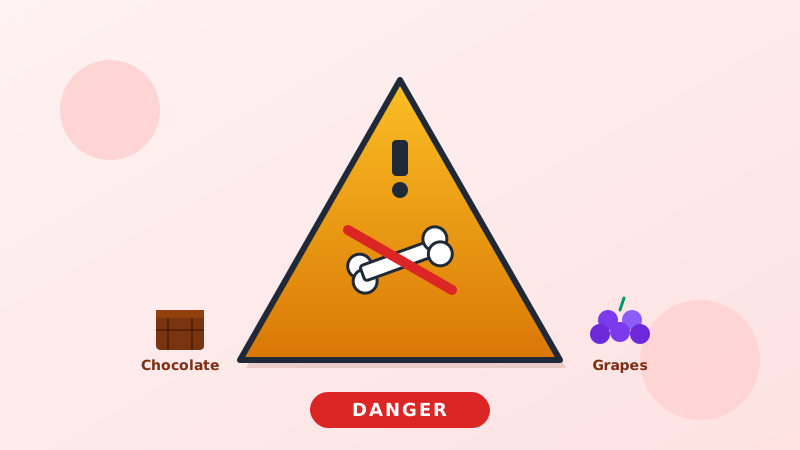
No, dogs should never eat chocolate. Chocolate contains theobromine and caffeine, both of which are toxic to dogs. While humans can metabolize theobromine quickly, dogs process it much more slowly, allowing it to build up to toxic levels in their system. Chocolate poisoning is one of the most common causes of canine poisoning reported to veterinary emergency clinics every year, and in severe cases, it can be fatal.
If your dog has eaten chocolate of any kind, you should treat the situation as an emergency. Contact your veterinarian or an animal poison control hotline immediately. Time is critical when dealing with chocolate toxicity in dogs.
Why Is Chocolate Toxic to Dogs?
The primary toxic compound in chocolate is theobromine, a naturally occurring alkaloid found in cacao beans. Theobromine belongs to a class of chemicals called methylxanthines, which also includes caffeine. Both of these substances are present in chocolate, and both are harmful to dogs.
The reason chocolate is dangerous to dogs but not to humans comes down to metabolism. Humans have the enzymes needed to break down theobromine relatively quickly, with a half-life of about 6 to 10 hours. In dogs, however, the half-life of theobromine is approximately 17.5 hours. This means the chemical stays in their system much longer, giving it more time to cause damage to the heart, central nervous system, and kidneys.
Theobromine acts as a stimulant on the cardiovascular system, causing increased heart rate, elevated blood pressure, and in severe cases, cardiac arrhythmias. It also stimulates the central nervous system, which can lead to restlessness, tremors, and seizures. Additionally, theobromine acts as a diuretic, increasing urine production and potentially leading to dehydration.
Which Types of Chocolate Are Most Dangerous?
Not all chocolate is equally dangerous. The toxicity depends on the concentration of theobromine, which varies significantly between different types of chocolate. Here is a breakdown from most dangerous to least dangerous:
| Type of Chocolate | Theobromine Content (mg/oz) | Danger Level |
|---|---|---|
| Cocoa powder (dry) | 400-737 mg/oz | Extremely high |
| Unsweetened baking chocolate | 390-450 mg/oz | Extremely high |
| Dark chocolate (70-85%) | 130-228 mg/oz | Very high |
| Semi-sweet chocolate chips | 138-150 mg/oz | High |
| Milk chocolate | 44-64 mg/oz | Moderate |
| White chocolate | 0.25 mg/oz | Very low (but still not recommended) |
As you can see, cocoa powder and baking chocolate are by far the most dangerous. Even a small amount of baking chocolate can cause serious toxicity in a medium-sized dog. Milk chocolate is less concentrated but can still be dangerous if consumed in larger quantities. White chocolate contains almost no theobromine but is still not recommended due to its high fat and sugar content, which can cause pancreatitis.
How Much Chocolate Is Toxic to Dogs?
The toxic dose of theobromine in dogs varies based on the dog's weight and the type of chocolate consumed. As a general guideline:
- Mild symptoms can appear at doses of 20 mg of theobromine per kilogram of body weight
- Cardiac symptoms typically appear at 40-50 mg/kg
- Seizures can occur at 60 mg/kg or higher
- Fatal doses are generally around 100-200 mg/kg, though death has been reported at lower doses
To put this in practical terms: for a 10-pound (4.5 kg) dog, eating just one ounce of baking chocolate could be extremely dangerous. For a 50-pound (22.7 kg) dog, approximately 9 ounces of milk chocolate could cause serious symptoms. However, these are rough estimates, and individual dogs may react differently. Some dogs are more sensitive to theobromine than others, and factors like age, overall health, and whether the dog has eaten recently can all influence the severity of the reaction.
Symptoms of Chocolate Poisoning in Dogs
Symptoms of chocolate toxicity usually appear within 6 to 12 hours after ingestion, though they can show up as early as 1 to 2 hours in some cases. The severity of symptoms depends on the amount of theobromine consumed relative to the dog's body weight.
Early Symptoms (Mild Toxicity)
- Vomiting
- Diarrhea
- Restlessness and hyperactivity
- Increased thirst and urination
- Panting
- Excessive drooling
Moderate Symptoms
- Rapid heart rate (tachycardia)
- Muscle tremors
- Increased body temperature
- Abdominal discomfort and bloating
- Agitation and inability to settle
Severe Symptoms (Life-Threatening)
- Seizures
- Cardiac arrhythmias (irregular heartbeat)
- Internal bleeding
- Heart failure
- Collapse
- Coma
- Death
It is important to understand that symptoms can progress rapidly. A dog that initially shows only mild vomiting can deteriorate to seizures within hours. This is why immediate veterinary attention is always recommended, regardless of how much chocolate was consumed.
What to Do If Your Dog Eats Chocolate
If you discover that your dog has eaten chocolate, follow these steps immediately:
- Stay calm but act quickly. Panicking will not help your dog, but time is of the essence.
- Try to determine how much and what type of chocolate your dog ate. Save any wrappers or packaging. This information will help your veterinarian assess the severity of the situation.
- Note the approximate time of ingestion. This helps the vet determine the best course of treatment.
- Contact your local veterinarian or your country's pet poison control center immediately.
- Do not induce vomiting unless specifically instructed to do so by a veterinarian. In some cases, inducing vomiting can cause more harm than good, especially if the dog is already showing neurological symptoms.
- Do not wait for symptoms to appear. By the time severe symptoms develop, the situation may be much harder to treat.
Veterinary Treatment for Chocolate Poisoning
Treatment depends on how much chocolate was consumed and how quickly the dog is brought in for care. If the dog is seen within 1 to 2 hours of ingestion, the veterinarian may induce vomiting to remove as much chocolate as possible from the stomach. They may also administer activated charcoal, which binds to theobromine in the digestive tract and helps prevent further absorption.
For dogs showing more severe symptoms, treatment may include intravenous fluids to support hydration and help the kidneys flush out the toxins, medications to control heart rate and rhythm, anti-seizure medications if needed, and monitoring in an intensive care setting. In some cases, repeated doses of activated charcoal may be given because theobromine can be reabsorbed from the bladder through a process called enterohepatic recirculation.
With prompt treatment, most dogs recover fully from chocolate poisoning. However, delays in treatment can lead to permanent organ damage or death, particularly from cardiac complications.
How to Prevent Chocolate Poisoning
Prevention is always better than treatment. Here are practical steps to keep your dog safe from chocolate:
- Store all chocolate products out of reach. Remember that dogs can be surprisingly resourceful when it comes to reaching food on counters and tables.
- Educate all family members, especially children, about the dangers of giving chocolate to dogs.
- Be extra cautious during holidays like Halloween, Christmas, Valentine's Day, and Easter, when chocolate is more likely to be left within a dog's reach.
- Secure trash cans. Dogs can dig through garbage to find chocolate wrappers with residual chocolate.
- Be aware of hidden sources of chocolate, including cocoa mulch in gardens, chocolate-flavored supplements, and baked goods containing chocolate.
- Consider dog-safe carob treats as an alternative if you want to give your dog a chocolate-like treat. Carob does not contain theobromine and is safe for dogs.
Frequently Asked Questions
My dog ate a small piece of milk chocolate. Should I be worried?
A very small amount of milk chocolate is unlikely to cause serious toxicity in a large dog, but it is still best to call your veterinarian for guidance. For small dogs, even a small piece of milk chocolate could be problematic. Your vet can calculate whether the amount consumed is likely to cause toxicity based on your dog's weight and the type of chocolate.
Can dogs die from eating chocolate?
Yes, chocolate poisoning can be fatal, particularly with large amounts of dark chocolate, baking chocolate, or cocoa powder. However, with prompt veterinary treatment, the prognosis is generally good. Fatalities are most common when treatment is delayed or when large amounts of high-theobromine chocolate are consumed.
Is cocoa powder dangerous for dogs?
Cocoa powder is the most dangerous form of chocolate for dogs because it has the highest concentration of theobromine. Even a small amount of cocoa powder can cause serious toxicity. Be especially careful with cocoa powder stored in kitchens and with products like hot cocoa mix.
How long does it take for chocolate to affect a dog?
Symptoms typically appear within 6 to 12 hours of ingestion but can start as early as 1 to 2 hours. Because theobromine has a long half-life in dogs (approximately 17.5 hours), symptoms can persist and even worsen over 24 to 72 hours without treatment.
Disclaimer: Always consult your veterinarian before making changes to your pet's diet. If your dog has eaten chocolate, contact your veterinarian or an animal poison control hotline immediately.