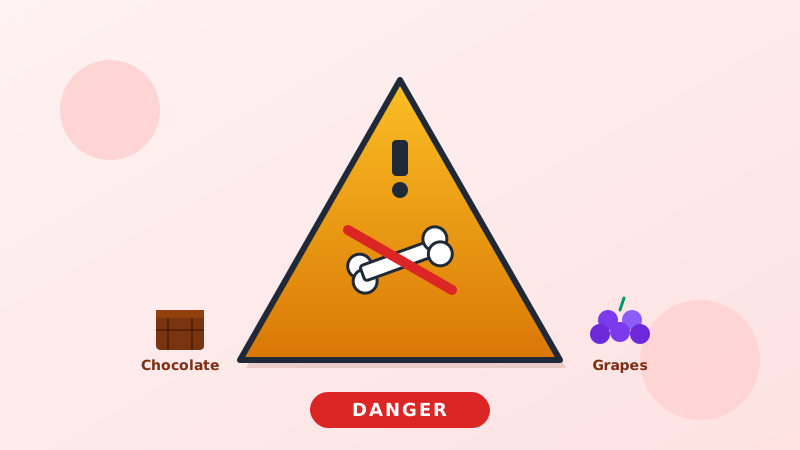
No, cats should never eat grapes or raisins. While grape toxicity has been documented most extensively in dogs, cats are believed to be vulnerable to the same kidney-damaging effects. Even a small amount can potentially trigger acute kidney failure in some cats, and because the exact toxic compound hasn't been identified, there's no safe dose.
Grapes, raisins, currants, and sultanas all pose the same risk. This includes grape juice, wine (which is also toxic due to alcohol), and baked goods containing raisins, such as oatmeal raisin cookies, raisin bread, and hot cross buns.
Quick Answer: Are Grapes Safe for Cats?
No. Grapes, raisins, and all grape-derived products should be considered toxic to cats. Even a single grape could theoretically cause problems in a small or vulnerable cat. Contact your veterinarian or the your country's pet poison control center immediately if your cat eats grapes.
Why Grapes Are Toxic to Cats
The exact toxic substance in grapes has not been definitively identified. Theories include mycotoxins from mold, excess tartaric acid, or a specific fruit compound that damages kidney tubules. What's clear is that grape toxicity causes acute kidney failure in susceptible dogs, and there's every reason to suspect cats face similar or greater risk.
The toxicity is unpredictable — some pets eat grapes without consequence, while others develop severe kidney injury from very small amounts. Because there's no way to predict which cats will react badly, the only safe approach is complete avoidance.
Symptoms of Grape Poisoning in Cats
Symptoms typically appear within 6-24 hours of ingestion and include:
- Vomiting (often within 12 hours)
- Diarrhea
- Loss of appetite
- Lethargy and weakness
- Excessive thirst
- Decreased urination or complete lack of urine
- Abdominal pain
- Tremors or wobbly movements
- Bad breath (uremic)
Without treatment, acute kidney failure can progress within 24-72 hours. Early veterinary intervention dramatically improves the outcome.
What to Do If Your Cat Eats Grapes
- Call your vet or poison control immediately. Don't wait for symptoms to appear.
- Note how many grapes were eaten and when. Bring any packaging if possible.
- Follow professional guidance. Do not induce vomiting at home unless specifically instructed — it can be dangerous for cats.
- Transport your cat promptly. Early treatment with decontamination and IV fluids can prevent kidney damage.
Treatment typically includes inducing vomiting (by a vet), activated charcoal to absorb remaining toxins, and aggressive IV fluid therapy for 48-72 hours to support kidney function.
Raisins Are Even Worse
Because raisins are dehydrated grapes, the toxic compound is more concentrated. A small handful of raisins represents many times the grape equivalent. Common sources of accidental exposure include oatmeal raisin cookies, raisin bread, granola, trail mix, and hot cross buns. Keep these well out of reach.
Safer Fruit Alternatives for Cats
Cats don't need fruit in their diet, but if you want to offer an occasional fruit treat, these are generally safe in small amounts:
- Small pieces of seedless watermelon (rind removed)
- Cantaloupe (popular with many cats)
- Blueberries
- Peeled apple (no seeds or core)
- Strawberries
Remember cats are obligate carnivores, so fruit should be a very rare treat — never a staple.
Frequently Asked Questions
How many grapes are toxic to a cat?
There is no established safe threshold. Because reactions are unpredictable, any amount should be treated as a potential emergency.
My cat ate one grape and seems fine. Should I worry?
Yes. Call your vet. Even if symptoms haven't appeared, early treatment prevents the worst outcomes.
Is grape juice toxic to cats?
Potentially yes. It contains the same unknown toxin. Wine is additionally dangerous due to alcohol.
Can my cat eat grape-flavored treats?
Most "grape-flavored" products use artificial flavoring and don't contain actual grapes, making them unlikely to cause grape toxicity. However, always check the ingredient list, and remember cat treats should be designed specifically for cats.
Disclaimer: This article is for informational purposes only and is not a substitute for professional veterinary advice. Cats have unique nutritional needs and every cat is different. Always consult your veterinarian before introducing new foods, especially if your cat has existing health conditions.