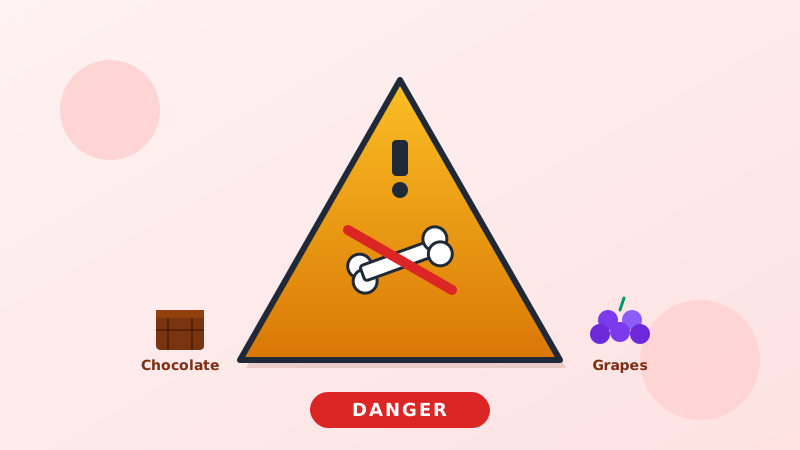
Cats should never eat chili peppers. The compound that gives chilis their heat, capsaicin, is a strong irritant to a cat's mouth, stomach, and digestive tract. Unlike humans, cats have no cultural or biological reward for spicy food, only the unpleasant chemical burn and the gastrointestinal distress that follows.
A single nibble of a mild pepper may only cause brief discomfort, but larger amounts, hotter varieties, or repeated exposure can lead to vomiting, diarrhea, dehydration, and severe oral pain. Because cats are obligate carnivores with sensitive kidneys and a small body mass, even a small quantity of capsaicin can have an outsized effect on them.
Is It Safe for Cats?
No. Chili peppers, hot sauces, spicy leftovers, salsas, and chili-flavored snacks are all unsafe for cats. Capsaicin binds to pain receptors (TRPV1) in the mouth and gut, producing a burning sensation cats cannot understand or relieve. The distress is real even when the dose is small.
Cats also lack the sweet taste receptor and have a limited palate compared with omnivores, so they gain nothing from peppers nutritionally. Bell peppers (which contain almost no capsaicin) are a separate question and are not toxic in tiny amounts, but hot chilis of any variety should be treated as off-limits.
Nutritional Content
Here is how chili peppers stacks up against a cat's obligate-carnivore requirements:
| Component | Amount | Cat Relevance |
|---|---|---|
| Capsaicin | High (in hot varieties) | Irritant, not suitable |
| Vitamin C | Moderate | Cats make their own |
| Fiber | Low to moderate | Not needed in cat diet |
| Sugar | Low | Neutral |
| Water | High | Better sources exist |
Risks
Oral and Mouth Irritation
Capsaicin activates burning pain receptors in the tongue, gums, and cheeks. A cat exposed to chili will often drool heavily, paw at the face, shake its head, and back away from food. In severe cases, oral mucosa can redden and swell.
Gastrointestinal Distress
Once swallowed, capsaicin continues irritating the esophagus, stomach, and intestines. Typical signs include vomiting, diarrhea, abdominal cramping, and loss of appetite for 24 to 48 hours.
Dehydration
Repeated vomiting and diarrhea cause rapid fluid loss. Small cats and kittens can become clinically dehydrated within hours, which can progress to lethargy, weakness, and kidney strain.
Eye and Paw Contamination
If your cat brushes a pepper, licks residue, and then grooms, capsaicin can transfer to the eyes, causing painful tearing, squinting, and temporary conjunctivitis.
How to Serve (If at All)
Because cats are obligate carnivores, their caloric base should come from animal protein. Any treat, including chili peppers, should stay under 10 percent of daily calories, and the portion must stay tiny.
There is no recommended serving of chili peppers for cats. The correct serving size is zero. If you cook with chilis, wash your hands before touching your cat and store leftovers out of reach. Wipe counters where chili oil may have dripped.
If you want to offer a vegetable treat, a small piece of cooked, plain pumpkin or a shred of cooked carrot is a safer alternative. Remember that cats are obligate carnivores: their nutritional needs come from animal protein, not plant matter. Treats of any kind should stay under 10 percent of daily calories.
Signs of Digestive Upset
Watch your cat for the following signs in the first 24 to 48 hours after any new food exposure:
- Excessive drooling or foaming at the mouth
- Pawing at the face or rubbing the mouth on furniture
- Vomiting, often repeatedly
- Watery or loose diarrhea
- Loss of appetite and refusal to drink
- Lethargy or hiding behavior
- Red, watery eyes if contact occurred
Emergency Steps
If your cat has eaten a significant amount, contact your local veterinarian or your country's pet poison control center immediately. Do not wait for symptoms to appear.
- Note the time of ingestion and approximate amount eaten.
- Take a photo of the food or plant, including the label if available.
- Remove remaining portions from your cat's reach.
- Do not induce vomiting unless specifically told to do so by a veterinarian.
- Transport your cat in a secure carrier to the nearest veterinary clinic if advised.
Frequently Asked Questions
Are bell peppers safe for cats?
Bell peppers contain virtually no capsaicin, so a tiny bite is unlikely to cause harm. However, they are not a natural part of the feline diet and offer no real nutritional benefit. Hot peppers of any kind should always be avoided.
My cat licked hot sauce. What do I do?
Offer fresh water and a bland protein meal to dilute the capsaicin. Monitor for vomiting or diarrhea over the next 24 hours. If symptoms are severe or persistent, contact your veterinarian promptly.
Can chili powder or crushed red pepper harm a cat?
Yes. Powdered forms can be even more irritating because the fine particles cling to the fur and tongue and can be inhaled, irritating the airways in addition to the mouth and stomach.
Are cats attracted to chili?
Generally no. Cats dislike the smell of capsaicin, which is why some pet deterrent sprays use diluted pepper oil. Accidental exposure usually happens through shared human food, not voluntary eating.
Is paprika safe?
Sweet paprika contains minimal capsaicin, but smoked and hot paprika vary widely. It is safest to keep all pepper-based spices away from your cat's food.
Conclusion
Chili peppers have no place in a cat's diet. The sensory and gastrointestinal reaction to capsaicin is entirely unpleasant for felines and can lead to dehydration and lasting food aversion. Keep spicy food out of reach, wash hands after cooking, and stick to cat-formulated treats that support your feline's obligate-carnivore biology.
Disclaimer: This article is for informational purposes only and is not a substitute for professional veterinary advice. Cats have unique nutritional needs and every cat is different. Always consult your veterinarian before introducing new foods, especially if your cat has existing health conditions. Reviewed by our veterinary editorial team.