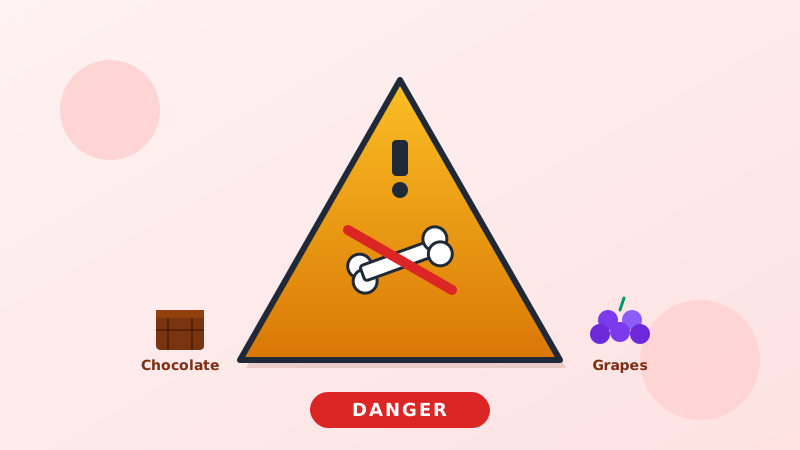
Cats should not eat avocado. The fruit contains persin, a fatty-acid derivative concentrated in the skin, leaves, bark, and pit, and present in smaller amounts in the flesh. Persin is known to cause illness in many animals, and while cats appear less severely affected than birds or livestock, the fat content alone is a serious concern.
Cats are obligate carnivores with digestive systems optimized for animal protein and animal fat. The plant-based monounsaturated fats in avocado are digested poorly by felines, and a modest portion can overwhelm the pancreas. When you add in the risk of pit ingestion and skin irritation, avocado becomes a clear no-feed food.
Is It Safe for Cats?
No. While a tiny lick of avocado flesh will probably not poison a healthy adult cat outright, the combination of persin, high fat, and choking hazards means avocado fails every risk-benefit test for cats. There are no nutritional gaps in a feline diet that avocado fills better than a protein-based option.
The danger is highest when a cat chews on the skin or pit, or when it eats guacamole prepared with onion, garlic, lime juice, or salt, all of which are independently harmful to cats.
Nutritional Content
Here is how avocado stacks up against a cat's obligate-carnivore requirements:
| Component | Amount | Cat Relevance |
|---|---|---|
| Persin | Present (higher in skin, pit, leaves) | Avoid |
| Fat | Very high (around 15 g per 100 g) | Pancreatitis risk |
| Fiber | High | Excess causes GI upset |
| Potassium | High | Problem in CKD cats |
| Protein | Low | Not feline-friendly |
Risks
Persin Toxicity
Persin is a natural fungicide in the avocado plant. In cats, significant exposure may cause vomiting, diarrhea, and in rare cases inflammation of the heart muscle. The concentration is low in ripe flesh but much higher in skin, leaves, and the pit.
High Fat and Pancreatitis
Avocado is one of the fattiest common fruits. Even a small spoonful can trigger acute pancreatitis in a susceptible cat, producing severe vomiting, abdominal pain, and dehydration that usually requires hospitalization.
Pit as Obstruction Hazard
The avocado pit is large, hard, and round, an almost ideal shape for getting lodged in a cat's esophagus or small intestine. Surgical removal is often required, and rupture can be fatal.
Guacamole Ingredients
Most avocado dishes cats encounter are guacamole. These recipes almost always include onion and garlic, both of which are directly toxic to cats, destroying red blood cells and causing anemia.
How to Serve (If at All)
Because cats are obligate carnivores, their caloric base should come from animal protein. Any treat, including avocado, should stay under 10 percent of daily calories, and the portion must stay tiny.
There is no safe serving of avocado for cats. Do not offer flesh, guacamole, avocado oil, or trimmings. Store avocado pits and peels in a sealed bin because cats are curious and may chew on them.
If you want to share a healthy fat, a drop of fish oil formulated for pets is a safer option and supports skin and coat. Cats do not need plant fats, and they digest them poorly.
Signs of Digestive Upset
Watch your cat for the following signs in the first 24 to 48 hours after any new food exposure:
- Vomiting within a few hours of ingestion
- Diarrhea, sometimes with mucus
- Abdominal pain and a hunched posture
- Loss of appetite lasting more than 24 hours
- Lethargy or hiding
- Difficulty swallowing (if pit chewed)
- Rapid breathing, possible cardiac distress in severe cases
Emergency Steps
If your cat has eaten a significant amount, contact your local veterinarian or your country's pet poison control center immediately. Do not wait for symptoms to appear.
- Note the time of ingestion and approximate amount eaten.
- Take a photo of the food or plant, including the label if available.
- Remove remaining portions from your cat's reach.
- Do not induce vomiting unless specifically told to do so by a veterinarian.
- Transport your cat in a secure carrier to the nearest veterinary clinic if advised.
Frequently Asked Questions
Is a small taste of avocado really dangerous?
A single lick is unlikely to cause major illness in a healthy adult cat, but there is no safe "trial dose" to recommend. Skip it.
What if my cat ate guacamole?
Guacamole is a higher concern than plain avocado because it typically contains onion, garlic, lime, and salt. Contact your veterinarian and describe the recipe.
Are avocado oil products safe?
Cooking oils and cosmetics containing avocado oil are lower in persin but still high in fat. They can irritate the skin or the gut and are not recommended as cat food.
Can cats eat the leaves of an avocado plant?
No. Leaves have the highest persin concentration and should be treated as toxic. Keep potted avocado plants out of reach.
My cat chewed on the pit. What should I watch for?
Watch for drooling, gagging, repeated vomiting, refusal to eat, or a painful abdomen. Any of those symptoms warrants an urgent veterinary visit to rule out obstruction.
Conclusion
Avocado is trendy for humans, but it is a poor and potentially dangerous food for cats. Between persin, fat load, and the hazards of the pit and peel, avocado has no place in feline nutrition. Store it out of reach and choose feline-appropriate treats instead.
Disclaimer: This article is for informational purposes only and is not a substitute for professional veterinary advice. Cats have unique nutritional needs and every cat is different. Always consult your veterinarian before introducing new foods, especially if your cat has existing health conditions. Reviewed by our veterinary editorial team.