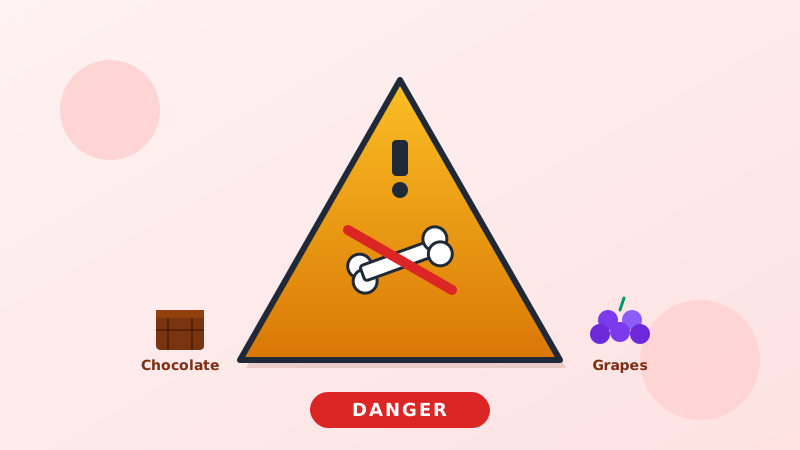
Contact your local veterinarian or your country's pet poison control center immediately.
Every year, thousands of pets are rushed to emergency veterinary clinics after eating foods that are harmless, or even beneficial, to humans. Some of these foods cause rapid, severe poisoning within hours. Others cause silent organ damage that only becomes obvious days later. Knowing which foods to keep absolutely out of your pet's reach - and what to do if exposure happens anyway - is one of the most important pieces of pet care literacy any owner can have.
Contact your local veterinarian or your country's pet poison control center immediately.
How to Use This Guide
Toxicity depends on three variables: the substance, the dose relative to body weight, and the individual animal. A food that is dangerous in small amounts to a Chihuahua may cause only mild illness in a Great Dane, and vice versa. Never try to estimate toxicity on your own if your pet has consumed a suspicious food - call a professional.
Treat the table below as a triage reference, not a substitute for veterinary care. The "critical window" column indicates how quickly intervention can most effectively reduce harm in typical cases.
The Top 25 Toxic Foods
| Food | Affected Species | Key Symptoms | What To Do | Critical Window |
|---|---|---|---|---|
| 1. Chocolate | Dogs, cats | Vomiting, diarrhea, restlessness, rapid heart rate, tremors, seizures, collapse | Call vet or poison control with weight, chocolate type, and amount eaten | Within 2 - 4 hours |
| 2. Xylitol (sugar-free sweetener) | Dogs (highly toxic) | Sudden hypoglycemia, weakness, collapse, seizures, liver failure within 24 - 72 hrs | Emergency vet immediately - xylitol can drop blood sugar in 10 - 60 minutes | Within 30 minutes ideal |
| 3. Grapes and raisins | Dogs (cats likely) | Vomiting, lethargy, reduced urination, acute kidney failure | Immediate vet visit; induce vomiting only under veterinary direction | Within 2 hours |
| 4. Onions | Dogs, cats (cats more sensitive) | Weakness, pale gums, red or brown urine, vomiting, delayed anemia | Vet evaluation; blood work at 3 - 5 days | Within 6 hours |
| 5. Garlic | Dogs, cats | Same as onions; more concentrated per gram than onion | Vet evaluation even with small exposures in small pets | Within 6 hours |
| 6. Macadamia nuts | Dogs | Weakness in hind legs, tremors, vomiting, fever, ataxia | Call vet; usually self-limiting in 12 - 48 hrs but needs evaluation | Within 12 hours |
| 7. Alcohol | Dogs, cats | Disorientation, vomiting, low body temperature, low blood sugar, respiratory depression | Emergency vet - small amounts can be fatal | Within 1 hour |
| 8. Caffeine (coffee, tea, energy drinks) | Dogs, cats | Hyperactivity, racing heart, tremors, vomiting, seizures | Emergency vet; IV fluids may be needed | Within 2 hours |
| 9. Raw yeast dough | Dogs, cats | Bloated stomach, retching, alcohol toxicity as dough ferments | Emergency vet - risk of gastric dilatation and alcohol poisoning | Within 1 hour |
| 10. Cooked bones | Dogs, cats | Choking, mouth injuries, intestinal perforation, constipation with bone fragments | Vet visit if any signs of pain, vomiting, or blood in stool | Observe 24 - 72 hrs |
| 11. Avocado (flesh, pit, leaves) | Dogs (mild), cats (mild), birds (severe) | Mild vomiting/diarrhea in dogs; pit is a major obstruction risk | Monitor for obstruction; emergency if retching or distension | Within 12 hours |
| 12. Raw or undercooked eggs | Dogs, cats | Salmonella, E. coli; biotin deficiency with long-term raw whites | Call vet if vomiting/diarrhea; avoid long-term feeding raw | Observe 24 - 72 hrs |
| 13. Raw or undercooked meat | Dogs, cats | Bacterial contamination, parasites | Vet evaluation if GI signs or lethargy | Observe 24 - 72 hrs |
| 14. Milk and dairy | Dogs, cats | Diarrhea, gas, vomiting from lactose intolerance | Usually self-limiting; vet if severe or prolonged | Observe 24 hrs |
| 15. Wild mushrooms | Dogs, cats | Depends on species: GI upset, liver failure, seizures, death | Emergency vet - bring a photo and sample if safe | Within 2 hours |
| 16. Nutmeg | Dogs, cats | Disorientation, abdominal pain, hallucinations, seizures, high heart rate | Emergency vet for meaningful quantities | Within 2 hours |
| 17. Cinnamon (large amounts) | Dogs, cats | Mouth irritation, vomiting, diarrhea, low blood sugar, liver issues in large doses | Small pinches are typically safe; vet if ingested in quantity | Within 6 hours |
| 18. Salt and salty snacks | Dogs, cats | Excessive thirst, vomiting, tremors, seizures, sodium ion poisoning | Emergency vet if large amount; unrestricted access to water | Within 3 hours |
| 19. Fat trimmings and greasy foods | Dogs | Pancreatitis - vomiting, abdominal pain, lethargy, hunched posture | Vet visit; pancreatitis needs medical management | Within 24 hrs of signs |
| 20. Persimmons, peach and plum pits | Dogs, cats | GI obstruction from pits; cyanide from crushed pits | Vet visit with radiographs if obstruction suspected | Observe 24 - 48 hrs |
| 21. Apple seeds and apricot pits | Dogs, cats | Cyanide from crushed seeds in quantity; usually a risk only with multiple pits | Call poison control with amount and weight | Within 4 hours |
| 22. Citrus oils (essential oils, peels in bulk) | Dogs, cats (cats very sensitive) | Drooling, vomiting, weakness, liver issues with concentrated oils | Vet evaluation; citrus flesh in small amounts is low risk | Within 6 hours |
| 23. Green/unripe tomatoes and tomato plants | Dogs, cats | GI upset, lethargy, weakness from solanine in green parts | Vet evaluation for significant ingestion | Within 6 hours |
| 24. Star fruit (carambola) | Dogs, cats | Oxalate-induced acute kidney injury; vomiting, weakness, tremors | Emergency vet - kidney values checked | Within 6 hours |
| 25. Marijuana / cannabis edibles | Dogs, cats | Ataxia, dribbling urine, sensitivity to noise, low heart rate, coma | Emergency vet - disclose honestly, this is medical not legal | Within 2 hours |
A Deeper Look: Chocolate, Xylitol, and Grapes
Chocolate
Chocolate contains theobromine and caffeine, two methylxanthines that dogs and cats metabolize very slowly. Darker chocolate contains more theobromine per gram and is therefore more dangerous. The hierarchy from least to most dangerous is: white chocolate, milk chocolate, semisweet chocolate, dark chocolate, baker's chocolate, and cocoa powder. Signs often appear within 6 to 12 hours and can last up to 72 hours. Treatment typically includes decontamination (induced vomiting and activated charcoal under veterinary supervision), IV fluids, and cardiac and neurological monitoring. See our dedicated article on chocolate toxicity for dose tables and specifics.
Xylitol
Xylitol is a sugar alcohol used as a sweetener in sugar-free gum, mints, candy, peanut butter, baked goods, some children's vitamins, and a growing list of "healthy" products. In dogs, xylitol triggers a rapid release of insulin that can drop blood sugar dangerously low within 10 to 60 minutes. At higher doses it also causes acute liver failure, sometimes days after exposure. Xylitol is one of the fastest-acting common household toxins for dogs and always warrants an emergency call. Cats are generally considered less susceptible but exposures should still be discussed with a veterinarian.
Grapes and Raisins
The exact toxic compound in grapes and raisins is still under investigation, but current veterinary evidence increasingly implicates tartaric acid. Sensitivity varies enormously between individual dogs: some dogs eat a handful of grapes with no ill effect, while others develop acute kidney injury after a very small amount. Because the toxic threshold is unpredictable, any grape or raisin ingestion in a dog should be treated as an emergency.
Common Household Hotspots
- Purses and backpacks: A frequent source of sugar-free gum (xylitol) exposure. Hang these out of reach.
- Countertops and tables: Leftover chocolate, coffee grounds, baked goods, and grapes are typical gotchas.
- Trash cans: Fatty trimmings, bones, moldy food, and corn cobs cause many emergency visits.
- Holidays: Thanksgiving (cooked bones, fat trimmings), Christmas (chocolate, raisins, nutmeg-spiced foods), Easter (chocolate eggs, lily plants for cats), Halloween (chocolate, xylitol candy).
- Guest bags and medications: Visitors frequently bring in hazards the host household never has.
What To Do in an Emergency
- Stay calm and remove further access. Move your pet away from the food. Keep any packaging, the food label, and, if possible, a sample.
- Call a professional immediately. Your regular veterinarian, a 24-hour emergency clinic, the your country's pet poison control center, or the
- Be ready to answer: species, weight, age, underlying conditions, exact product and brand, estimated amount eaten, time of ingestion, and current symptoms.
- Do not induce vomiting on your own unless specifically instructed by a veterinarian. In some toxicities (corrosive substances, petroleum products, already seizing animals), vomiting is dangerous.
- Transport safely. If advised to go to a clinic, drive carefully with your pet secured in a carrier or harness, and bring packaging, any suspected sample, and a list of medications your pet takes.
Preventive Checklist
- Store chocolate, candy, gum, and baked goods in closed cabinets above countertop level
- Use trash cans with locking or weighted lids, especially in the kitchen and bathroom
- Never leave coffee grounds, used tea bags, or alcoholic drinks where pets can reach
- Check peanut butter and other sweet spreads for xylitol before giving to a dog
- Keep purses, backpacks, and guest luggage off the floor and out of reach
- Keep poison control numbers on the fridge and saved in your phone
- Discuss any questionable food with your veterinarian before sharing
For safe alternatives, see our extensive libraries on Can Dogs Eat and Can Cats Eat. For behavior cues that may indicate your pet has eaten something suspicious, see dog behavior. To round out your nutrition knowledge, our guides on protein requirements and water requirements are essential reading.
Frequently Asked Questions
My dog ate something toxic but is acting normal. Should I still call?
Yes. Many toxicities have a delayed onset of symptoms (for example, xylitol liver damage, onion-induced anemia, grape-induced kidney failure). Early decontamination is almost always more effective than waiting for signs to appear.
Is hydrogen peroxide safe to induce vomiting at home?
3 percent hydrogen peroxide is sometimes recommended by veterinarians over the phone for certain exposures in dogs, but it is not universally safe and can cause esophageal damage or aspiration. Never use it in cats, in dogs with seizures or breathing difficulty, or after ingestion of corrosives. Always consult a veterinarian first.
Are these foods toxic to cats too?
Most of the entries above are dangerous to both species, and several (onions, garlic, lilies, acetaminophen, and essential oils) are more dangerous to cats than to dogs per unit of body weight.
How long do I need to monitor my pet after a toxic exposure?
This depends on the toxin. For chocolate, 24 to 72 hours. For xylitol, at least 72 hours with monitoring of blood sugar and liver values. For grapes and raisins, at least 72 hours with monitoring of kidney values. Your veterinarian will design a monitoring plan based on the specific exposure.
Should I keep a pet first-aid kit?
Yes. Include your pet's current weight, a list of medications, poison control numbers, your veterinarian's contact information, a muzzle, a blanket, bandage material, and a carrier or harness for safe transport.
Disclaimer: This guide is for educational use only and does not replace veterinary advice. If you suspect your pet has ingested a toxic substance, call your veterinarian or a pet poison hotline immediately.